
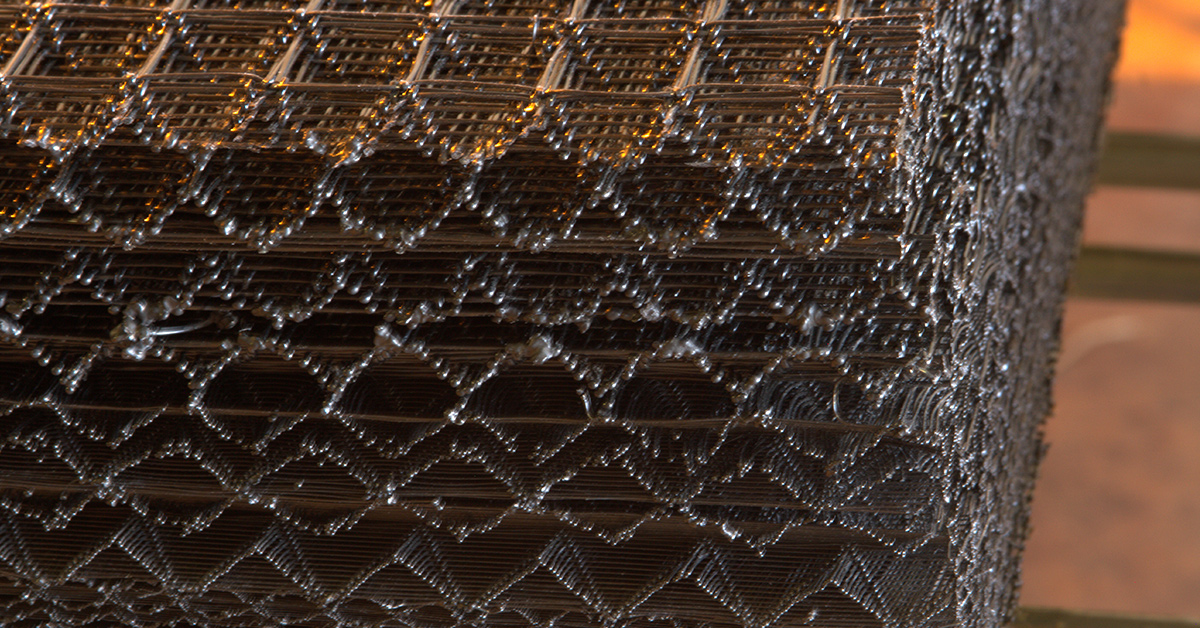
A demister pad rarely fails all at once. Performance slips gradually, which is exactly why a demister pad replacement decision often gets made too late, after downstream equipment or emissions compliance has already been affected. Watching for the right signs keeps that decision proactive instead of reactive. Kimre™ Clean Air Technology engineers its demister pad media specifically to make those signs easy to catch early.
Reading the Warning Signs Before Efficiency Drops
A well-engineered mist eliminator pad is built to run efficiently with low pressure drop and minimal fouling from the start, so any of the six signs below represent a departure from that baseline rather than normal wear. Catching a rising demister pad pressure drop early is what keeps a pad problem from becoming a scrubber or stack problem, often well before a full demister pad replacement is the only option left.
1. Rising Demister Pad Pressure Drop
Demister pad pressure drop is one of the clearest operational indicators available, because fiber configuration and packing density are directly tied to it. Fine fibers and higher packing densities improve droplet capture through diffusion and inertial impaction, but they also raise pressure drop, so a pad that is trending upward in pressure drop without a process change is very often loading up with material it can no longer shed fast enough.
2. Increased Droplet Carryover Downstream
When a demister pad stops performing, the clearest downstream sign is increased entrainment of hazardous or corrosive droplets escaping into the gas stream. Left unaddressed, that carryover leads to corrosion and degradation of downstream components and puts emissions compliance with regulations such as MACT and BREF at risk, the two outcomes a demister pad is installed to prevent in the first place. Coarse carryover is what vane separators are built to catch, as our comparison of packed tower scrubber internals explains.
3. Fouling and Plugging From Sticky or Scaling Streams
Drainage design matters as much as capture design. Sloped drainage paths and ports are meant to move captured liquid out of the pad quickly, reducing static loading and the potential for corrosion or biofouling to take hold. When drainage is compromised, whether by scaling, sticky process residue, or physical plugging, fouling accelerates and pressure drop climbs right along with it.
4. Mechanical Damage and Filament Degradation
Monofilament media can degrade mechanically over years of continuous service, and that degradation compounds with chemical exposure. Polymer embrittlement and corrosion fatigue in the filament material ultimately compromise both mist eliminator performance and service life. That is why filament condition, not just visible fouling, belongs on any inspection checklist ahead of a demister pad replacement decision.
5. Chemical Attack From Incompatible Process Conditions
Chemical-resistant material selection exists specifically to prevent polymer embrittlement, corrosion fatigue, and accelerated fouling in the first place. When a pad shows chemical attack, discoloration, brittleness, or pitting inconsistent with normal service, it is often a sign that the original material choice no longer matches the actual process chemistry, rather than simply a maintenance gap.
6. Falling Collection at Fine Droplet Sizes
Multilayered mesh pad designs are engineered to balance fine droplet capture against drainage performance, typically using denser core layers for capture and outer layers to manage liquid removal. A pad that is still capturing coarse droplets but losing efficiency at the fine end of its range is frequently showing core-layer degradation before the rest of the pad shows any visible sign of a problem.
Planning a Demister Pad Replacement or Cleaning
Because much of Kimre's mist eliminator media is built to be cleaned and reused rather than discarded at the first sign of trouble, the first response to any of these six signs does not always have to be a full demister pad replacement. A properly designed cleaning protocol can often recover lost performance without damaging the media. Deciding between cleaning and full replacement comes down to how far the material has degraded and whether the original specification still matches current process conditions, which is where working directly with an experienced mist eliminator manufacturer pays off. For a deeper look at how demister pads fit alongside fiber bed filters, tower packing, and other industrial air filtration systems, see Kimre's full guide to controlling plant emissions.
Kimre, a U.S.-based manufacturer of Clean Air Technology with facilities in Homestead, FL and Philadelphia, PA, serves industrial customers worldwide. Contact Kimre to talk through a pad inspection, repack, or replacement.

