
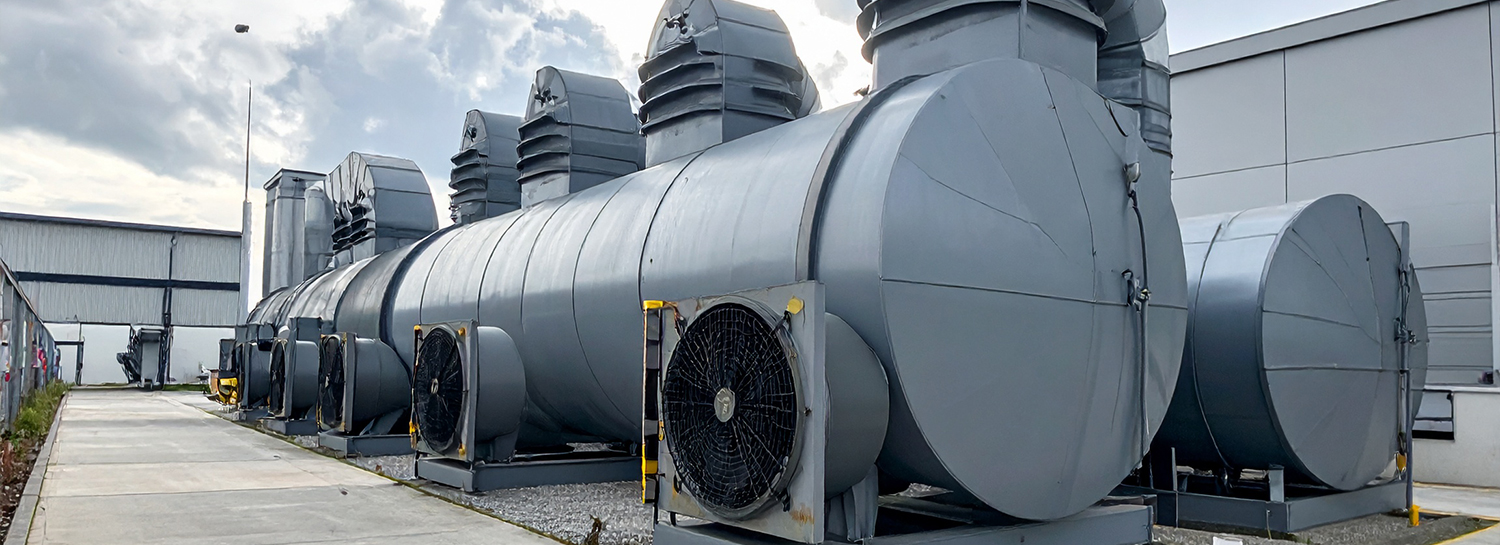
Chromium electroplating operations operate under constant pressure to maintain throughput while controlling hazardous air emissions generated during the plating process. One of the most persistent operational challenges in these facilities is the formation of chromic acid mist at the surface of electroplating baths. Without effective capture and removal, these aerosolized droplets can migrate throughout the production area, leading to corrosion, equipment degradation, and occupational exposure concerns.
A properly engineered chromic acid scrubber equipped with a high-efficiency mist eliminator serves as the primary control technology for managing these emissions. By capturing chromic acid aerosols directly from the ventilation stream, chromic acid mist filtration systems prevent hazardous contaminants from escaping into the facility environment or atmosphere.
Beyond environmental protection, these systems play a measurable role in maintaining operational stability, protecting capital equipment, and reducing long-term maintenance costs. For plating facilities evaluating emission control upgrades, understanding the return on investment of advanced chromic acid scrubber and mist eliminator technology is critical to making informed infrastructure decisions.
How does a chrome scrubber improve operational efficiency in plating facilities?
A chrome scrubber removes chromic acid mist from plating processes, preventing contamination of surrounding equipment and maintaining stable environmental conditions within production areas. This improves equipment longevity and reduces maintenance costs.
What factors influence the ROI of a chromic acid scrubber system?
ROI depends on emission removal efficiency, compliance reliability, reduced corrosion damage, lower maintenance requirements, and improved worker safety conditions within the plating facility.
How a Chromic Acid Scrubber Improves Operational Efficiency in Plating Facilities
During chromium electroplating, electrochemical reactions at the plating bath generate fine droplets of hexavalent chromium-containing chromic acid mist. These droplets are easily entrained in ventilation airflow and can deposit on nearby surfaces throughout the plating facility.
A properly designed chromic acid scrubber with an integrated fiber bed mist eliminator removes these airborne contaminants before they spread through the production environment. Effective chromic acid mist filtration delivers several operational advantages:
- Reduced corrosion of nearby equipment, structural components, and ventilation ductwork
- Improved reliability of electrical panels, sensors, and control systems located near plating lines
- Lower facility cleaning and maintenance requirements
- More stable air quality conditions within plating areas
From a process engineering perspective, mist elimination functions as a form of airborne corrosion mitigation, preventing acidic aerosols from depositing on sensitive infrastructure.
Understanding the Fundamentals of Chromic Acid Mist Filtration and ROI
The financial performance of a chromic acid scrubber system depends largely on its ability to remove extremely fine aerosol droplets generated during chromium plating.
Chromic acid mist particles are often submicron to several microns in diameter, making them difficult to capture with conventional particulate filtration methods. High-efficiency fiber bed mist eliminators are specifically designed to remove these aerosols through multiple particle capture mechanisms, including:
- Brownian diffusion for submicron droplets
- Direct interception within dense fiber matrices
- Inertial impaction of larger droplets
Within these systems, contaminated air passes through an engineered fiber bed structure that promotes droplet coalescence. Captured chromic acid droplets merge into larger liquid films that drain away from the filtration media.
This approach allows chromic acid mist eliminator systems to achieve extremely high capture efficiencies while maintaining manageable airflow resistance and stable ventilation conditions.
From an economic standpoint, effective chromic acid mist filtration directly reduces long-term operational costs by preventing contamination and corrosion throughout the plating facility.
Key Factors That Influence Chromic Acid Scrubber ROI
Facilities evaluating investment in chromium electroplating emission control systems typically assess a combination of regulatory, operational, and maintenance considerations.
Several factors contribute to the overall return on investment of a chromic acid scrubber with high-efficiency mist eliminator technology:
- Reduced risk of regulatory penalties related to hexavalent chromium emissions
- Lower maintenance costs associated with corrosion caused by airborne chromic acid
- Improved worker safety and reduced occupational exposure liabilities
- Longer service life for surrounding process equipment and electrical systems
- Stable environmental conditions within chromium electroplating operations
When these variables are evaluated collectively, advanced chromic acid mist filtration systems often generate cost savings that significantly exceed their capital cost.
Maximizing Efficiency with Fiber Bed Mist Eliminator Technology
Modern chromic acid scrubber systems incorporate advanced fiber bed mist eliminators designed to capture extremely fine aerosol droplets generated during chromium plating operations.
Within these systems, contaminated air is distributed evenly across a dense fiber matrix. As the airflow navigates through the fiber bed structure, chromic acid droplets collide with the fibers, coalesce, and drain from the system.
This process enables the removal of submicron chromic acid aerosols, which are often the most difficult to capture using conventional air pollution control technologies.
Kimre emission control systems utilize engineered fiber bed mist eliminator technology optimized for chromic acid mist filtration in electroplating environments. These systems are designed to maintain:
- High chromic acid mist capture efficiency
- Low pressure drop across the filtration media
- Uniform airflow distribution across the mist eliminator
- Consistent drainage of captured liquid
Maintaining these operating conditions ensures long-term stability for chromic acid scrubber performance in industrial plating ventilation systems.
Environmental Compliance and Chromic Acid Scrubber Performance
Regulatory oversight of hexavalent chromium air emissions continues to intensify due to the well-established health risks associated with Cr(VI) exposure. Environmental and occupational safety agencies require strict control of emissions from chromium electroplating facilities.
A properly designed chromic acid scrubber equipped with high-efficiency mist eliminator technology provides a reliable method for maintaining compliance with these regulations.
Continuous chromic acid mist filtration helps ensure that emissions remain within permitted limits while reducing exposure risks within the workplace.
Facilities operating with stable emission control systems typically experience:
- Fewer regulatory compliance issues
- Reduced environmental reporting complexity
- Lower risk of operational interruptions related to inspections or violations
In this context, compliance reliability becomes a significant financial benefit of modern chromic acid mist eliminator systems.
Operational Best Practices for Chromic Acid Scrubber Systems
Long-term performance of a chromic acid mist filtration system depends on disciplined operational management and routine maintenance practices.
Preventive maintenance programs help maintain high filtration efficiency and prevent unexpected system failures. Key inspection areas include:
- Fiber bed mist eliminator condition and fouling levels
- Airflow distribution and pressure drop trends
- Liquid drainage pathways and collection systems
- Ventilation fan performance and duct integrity
Monitoring airflow and pressure conditions provides early indicators of potential performance changes in chromic acid scrubber systems.
Facilities that treat mist eliminator technology as a critical process asset rather than a passive environmental control device typically achieve longer system lifespans and more predictable maintenance costs.
Real-World Performance Benchmarks for Chromic Acid Mist Eliminator Systems
Industrial plating facilities often observe significant operational improvements after installing high-efficiency chromic acid scrubbers and mist eliminator systems.
Common improvements include:
- Reduced corrosion around plating lines and ventilation infrastructure
- Cleaner facility surfaces and improved environmental conditions
- Lower maintenance costs for nearby equipment and electrical systems
Advanced fiber bed mist eliminator systems used in chromic acid mist filtration applications frequently achieve removal efficiencies exceeding 99 percent for airborne chromic acid aerosols.
At these performance levels, plating facilities experience meaningful improvements in both environmental control and workplace safety.
Driving Long-Term Value with Kimre Chromic Acid Scrubber Solutions
Effective emission control is essential for modern chromium electroplating operations. However, the value of chromic acid scrubber systems and mist eliminator technology extends well beyond regulatory compliance.
High-efficiency chromic acid mist filtration systems protect facility infrastructure, stabilize operating conditions, and significantly reduce corrosion-related maintenance costs.
Kimre designs advanced fiber bed mist eliminator and chromic acid scrubber systems specifically engineered for demanding electroplating environments. These solutions deliver reliable chromic acid mist capture while maintaining stable airflow and long equipment service life.
Organizations seeking to improve chromium electroplating emission control performance can connect with Kimre to learn how engineered chromic acid mist filtration systems support both regulatory compliance and long-term operational efficiency.

