
In process industries where vapor-phase streams are inseparable from liquid-phase carryover—chemical synthesis, thermal conversion, or evaporation-intensive operations—the formation of entrained droplets is not incidental; it is inherent. These aerosols often contain corrosive constituents, acid mist, or recoverable process chemicals that must be removed with precision before discharge. Within this context, a properly engineered mist eliminator is not an accessory—it is a control point.
In high-throughput facilities operating under continuous load, the burden on emission systems intensifies. Droplet loading increases, particle size distribution shifts toward finer aerosols, and conventional separation mechanisms begin to lose efficiency. This is precisely where well-designed mist eliminator filters demonstrate their value—maintaining phase separation integrity, stabilizing gas flow, and preserving downstream equipment.
What industries use mist eliminator filters for emission control?
Mist eliminator filters are commonly used in chemical processing, electroplating, fertilizer production, power generation, and other industrial processes where liquid droplets must be removed from gas streams.
How does a mist eliminator filter improve emission control efficiency?
A mist eliminator filter captures liquid droplets and aerosols within gas streams, allowing them to coalesce and drain away before the gas exits the system.
What Is a Mist Eliminator Filter and How Does It Work?
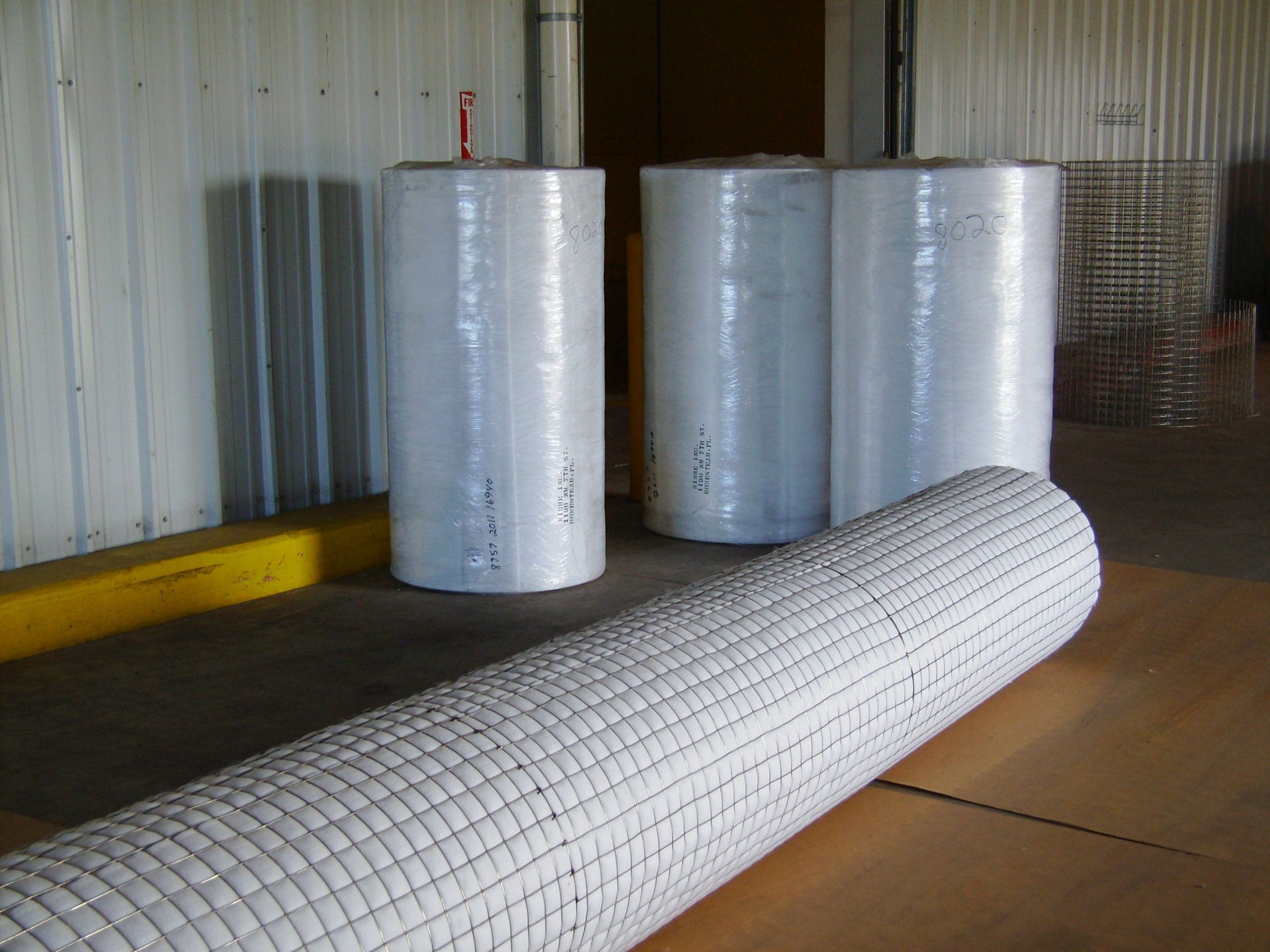
A mist eliminator filter is a gas–liquid separation device engineered to remove entrained liquid droplets from process gas streams. It is typically integrated into scrubbers, distillation columns, absorbers, and reactor exhaust systems—anywhere vapor streams exhibit measurable liquid entrainment.
The governing mechanism is coalescence. As the gas stream traverses the filtration matrix, droplets impinge upon the media surface due to inertial, diffusional, and interception forces. Once adhered, these droplets coalesce into larger masses. When gravitational forces exceed drag forces, the coalesced liquid drains from the media, effectively separating from the gas phase.
Different configurations are employed depending on process demands:
- Mesh pads for bulk droplet removal via impingement and coalescence
- Vane separators for directional phase disengagement under controlled flow paths
- Fiber bed systems for submicron aerosol capture, particularly in acid mist environments
Among these, fiber bed designs—often developed by specialized mist-eliminator manufacturers—are uniquely suited for fine particulate capture where Brownian motion dominates droplet behavior.
High-Load Process Conditions and Filtration Demands
High-load environments—fertilizer plants, electroplating lines, sulfuric acid units, and power generation systems—operate under elevated temperatures, variable gas velocities, and substantial mist concentrations. Under such conditions, droplet carryover is not merely a compliance issue; it becomes a mechanical and operational liability.
Fine aerosols, particularly those below one micron, resist gravitational settling and evade low-efficiency separators. Without advanced mist eliminator filters, these droplets migrate downstream, depositing on ductwork, fouling fans, and accelerating corrosion in stack systems.
Additionally, continuous operation imposes durability requirements. Filtration systems must sustain efficiency without excessive pressure drop, liquid flooding, or frequent maintenance cycles. This necessitates a balance between surface area, permeability, and drainage characteristics—an engineering problem, not a commodity selection.
Mechanisms Driving Emission Control Efficiency
The effectiveness of a mist eliminator filter is dictated by its ability to manage a broad droplet size spectrum while maintaining hydrodynamic stability. High-performance filtration media provide:
- Extensive surface area for droplet impaction
- Optimized fiber geometry to enhance coalescence rates
- Controlled porosity to sustain gas throughput without re-entrainment
Fiber bed systems, in particular, excel in high-load applications. Their dense yet permeable structure facilitates the capture of ultrafine aerosols while promoting rapid droplet growth. The result is efficient phase disengagement across varying operating conditions.
Equally critical is liquid drainage. Without effective drainage pathways, accumulated liquid increases pressure drop and reduces capture efficiency. Advanced designs ensure continuous liquid removal, preserving both performance and system stability.
Key Variables Influencing System Performance
No two process streams are identical, and mist elimination efficiency is highly sensitive to operating conditions:
- Droplet size distribution: Larger droplets are readily captured; submicron aerosols require high-efficiency media
- Gas velocity: Excessive velocity reduces residence time and impaction probability
- Media structure: Fiber diameter, packing density, and surface characteristics govern capture efficiency
- Fluid properties: Viscosity, surface tension, and chemical composition influence coalescence behavior
- Temperature: Affects both gas density and liquid phase dynamics
Competent mist-eliminator manufacturers design systems with these variables in mind, ensuring performance is not theoretical but sustained under real process conditions.
Operational Impact Beyond Regulatory Compliance
While emission compliance is the baseline requirement, the operational implications of effective mist elimination extend further.
Uncontrolled droplet carryover introduces corrosive species into downstream systems, leading to premature equipment degradation and increased maintenance frequency. By integrating properly specified mist eliminator filters, facilities can significantly reduce fouling, extend asset life, and maintain cleaner gas pathways.
From a safety standpoint, the removal of acid mist and chemical aerosols reduces occupational exposure risks and supports controlled air quality within and beyond the plant boundary.
Perhaps most critically, stable emission control contributes to process reliability. Systems that maintain phase separation integrity reduce unplanned downtime and support consistent production rates—an outcome that directly impacts profitability.
Engineering Selection as a Determinant of Performance
Mist elimination is not solved by installation alone—it is resolved through correct specification. Selecting the appropriate mist eliminator requires a clear understanding of process parameters, including droplet size distribution, gas composition, and volumetric flow rates.
Leading mist-eliminator manufacturers approach this as a systems engineering exercise, not a catalog decision. The objective is to deliver a solution that integrates seamlessly into the process while maintaining efficiency under sustained load. Kimre’s approach reflects this philosophy—leveraging engineered fiber media and application-specific design to deliver consistent performance in demanding environments. For operations where emission control is both a regulatory and operational priority, the distinction lies in engineering depth, not just hardware. Contact us today.

