
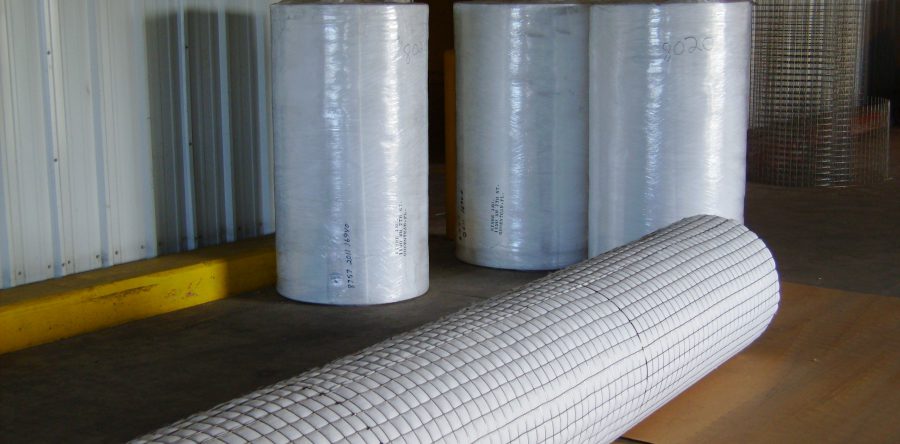
Candle filters and advanced mist-elimination technologies play a critical role in controlling fine aerosols and liquid particulates in the chemical, petrochemical, pharmaceutical, and specialty process industries. Among these technologies, fiber bed systems are widely adopted where submicron mist removal and stringent emission limits are required. Performance evaluation in these systems frequently centers on two tightly linked parameters: pressure drop and capture efficiency.
Balancing these parameters is essential for achieving reliable operation, stable throughput, and regulatory compliance. Excessive pressure drop increases energy demand and operating costs, while insufficient capture efficiency compromises emissions control and the protection of downstream equipment. Understanding how these factors interact within fiber-based systems supports informed design, operation, and maintenance decisions aligned with long-term process objectives.
People Also Ask
1. How does pressure drop affect operating costs in fiber bed mist eliminators?
A higher pressure drop increases fan energy consumption and accelerates maintenance cycles, directly affecting lifecycle operating costs.
2. What factors most strongly influence capture efficiency in fiber bed systems?
Fiber diameter, packing density, gas velocity, and liquid properties collectively determine the efficiency of fine-droplet removal.
What Is a Fiber Bed Mist Eliminator?
A fiber-bed mist eliminator is a high-efficiency separation device that removes fine liquid aerosols from gas streams. The system consists of densely packed fibrous media arranged to promote inertial impaction, interception, and Brownian diffusion. As contaminated gas passes through the fiber matrix, liquid droplets coalesce, grow in size, and drain from the media under gravity.
Unlike mechanical separation devices, fiber bed systems are engineered for applications involving submicron droplets and low-surface-tension liquids. This makes them complementary to candle filters in demanding environments where conventional demisters cannot achieve the required performance levels.
Defining Capture Efficiency in Fiber Bed Mist Eliminators
Capture efficiency is the percentage of liquid droplets removed from the gas stream within a defined particle-size range. In fiber bed systems, efficiency is strongly influenced by fiber diameter, packing density, bed thickness, and gas velocity. High capture efficiency is typically required to meet environmental discharge limits and protect downstream equipment such as heat exchangers or compressors.
Performance benchmarks often target removal efficiencies exceeding 99 percent for droplets smaller than one micron. Achieving this level of separation requires precise control of system design variables and operating conditions.
Understanding Pressure Drop in Fiber Bed Mist Eliminators
Pressure drop is the resistance the gas stream encounters as it flows through the fiber bed. This resistance arises from frictional losses within the fiber matrix and interactions between the gas, liquid, and solid phases. While some pressure drop is unavoidable, excessive values indicate fouling, improper design, or unfavourable operating conditions.
From an operational standpoint, pressure drop directly affects fan or blower energy consumption. Monitoring pressure trends provides valuable insight into system health and remaining service life.
Relationship Between Pressure Drop and Capture Efficiency
Pressure drop and capture efficiency are intrinsically linked. Increasing fiber density or reducing fiber diameter enhances droplet capture but also restricts gas flow, leading to a higher pressure drop. Conversely, lowering resistance by opening the media structure can reduce energy demand but compromise separation performance.
Optimal system design focuses on balancing these competing effects rather than maximizing a single parameter. This balance distinguishes engineered fiber-bed systems from generic filtration solutions.
Key Design Factors That Influence Capture Efficiency
Several design variables govern capture efficiency:
- Fiber diameter and surface characteristics
- Bed thickness and packing uniformity
- Gas residence time within the media
- Distribution of flow across the bed face
Precise control of these parameters enables consistent performance under varying process conditions.
Key Design Factors That Influence Pressure Drop
Pressure drop is affected by:
- Fiber packing density
- Gas velocity and viscosity
- Liquid loading rate
- Media fouling tendencies
Designs that incorporate uniform flow distribution and appropriate safety margins maintain stable pressure profiles over extended operating periods.
Role of Fiber Media Selection in Performance Optimization
Fiber material selection determines chemical compatibility, wettability, mechanical strength, and fouling resistance. Glass, polymeric, and specialty fibers are selected based on process temperature, chemical exposure, and droplet characteristics. Proper media selection supports long-term efficiency while limiting pressure escalation.
How Gas Velocity Impacts Both Pressure Drop and Efficiency
Gas velocity controls contact time between droplets and fibers. Higher velocities increase inertial impaction but also increase the pressure drop and the risk of re-entrainment. Lower velocities reduce resistance but may limit capture of fine aerosols. Design velocities are therefore selected within a narrow operating window.
Impact of Liquid Properties on Performance
Liquid density, viscosity, and surface tension influence coalescence behavior. Low-surface-tension liquids are more difficult to capture and drain, requiring specialized fiber structures and drainage designs to maintain efficiency without excessive pressure buildup.
Importance of Proper Drainage and Liquid Removal
Effective drainage prevents liquid accumulation within the fiber bed. Poor drainage increases pressure drop, promotes flooding, and reduces available surface area for capture. Proper orientation, sump design, and liquid handling pathways are essential for stable operation.
Common Causes of Excessive Pressure Drop in Fiber Bed Mist Eliminators
Frequent causes include:
- Media fouling or plugging
- Operating beyond design gas velocity
- Inadequate drainage
- Process upsets introducing solids or polymers
Early identification prevents irreversible performance degradation.
Signs of Reduced Capture Efficiency in Operating Systems
Indicators of declining efficiency include elevated downstream emissions, visible mist carryover, increased maintenance on downstream equipment, and deviations from baseline pressure profiles.
Measuring and Monitoring Performance in the Field
Differential pressure transmitters, stack testing, and aerosol measurement techniques are commonly used to verify performance. Trend analysis supports predictive maintenance strategies.
Maintenance Practices That Preserve Efficiency and Control Pressure Drop
Routine inspections, controlled-wash procedures, and process stability minimize fouling risks. Maintenance programs aligned with operating data extend service life and reduce unplanned outages.
Design Best Practices for Optimizing Pressure Drop and Efficiency
Best practices include conservative velocity selection, uniform gas distribution, compatible fiber media, and allowance for fouling margins. Collaboration with experienced candle filter manufacturers ensures alignment between process requirements and equipment capability.
How Fiber Bed Mist Eliminators Support Environmental Compliance
High-efficiency aerosol removal supports compliance with emission regulations governing acid mists, solvent vapors, and hazardous air pollutants. Stable performance reduces variability during audits and reporting cycles.
When to Re-Evaluate Fiber Bed Mist Eliminator Design
Re-evaluation becomes necessary following process changes, increased throughput, new chemical compositions, or persistent deviations in pressure drop or emissions performance.
Balancing Pressure Drop and Capture Efficiency for Reliable Performance
Achieving consistent mist removal requires careful alignment of design parameters, operating conditions, and maintenance practices. When pressure drop and efficiency are balanced correctly, long-term performance stability follows. Kimre applies engineered insight to support reliable operation across demanding applications.
Connect with the Kimre team to evaluate system performance and align separation technology with evolving process demands.
Also read: The Economic Benefits of Installing Mist Eliminators in Industrial Plants

