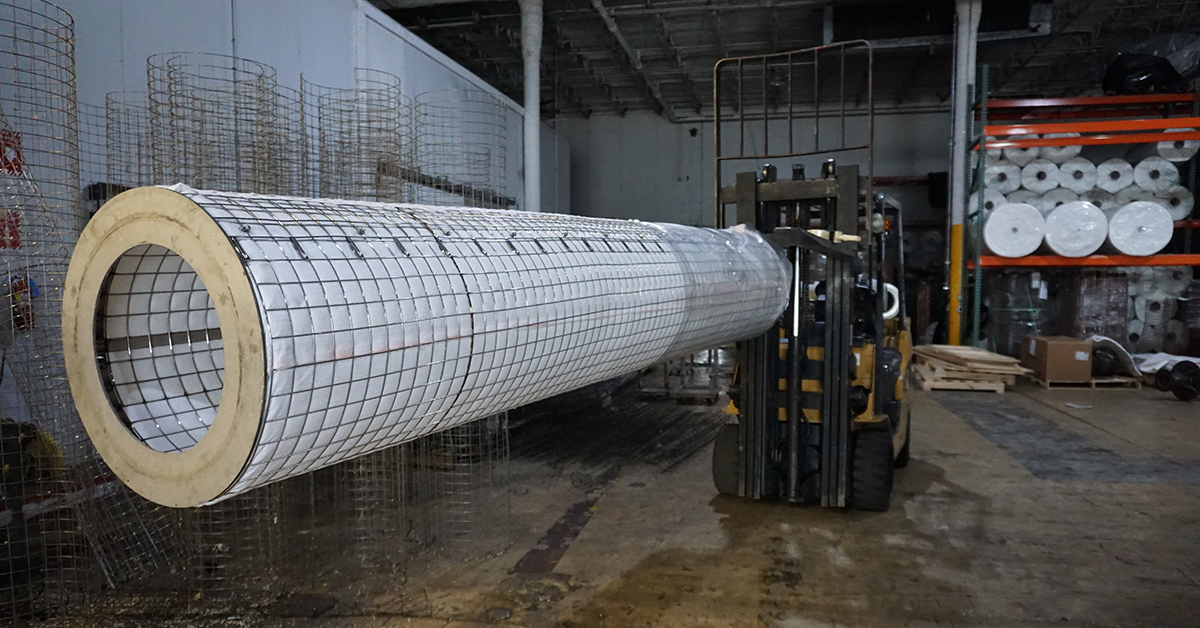
Industrial environments often generate fine mists, aerosols, and submicron droplets that require precise control to maintain product quality, operational efficiency, and environmental compliance. Among the most effective solutions for capturing these fine liquid particulates are fiber bed filters. These systems are relied upon across chemical processing, petrochemical refining, fertilizer production, and electronics manufacturing to ensure stable, clean gas streams.
As industrial processes evolve, organizations increasingly seek filtration technologies that provide long-term performance with minimal operational disruption. This has placed renewed focus on fiber bed mist collection systems, particularly on the two primary categories: wet and dry fiber bed systems. Each type offers unique advantages, limitations, and application-specific benefits. Understanding their differences helps facilities select the most appropriate solution for their mist control needs.
Understanding Fiber Bed Mist Collection Systems
Fiberbed mist collector systems are engineered to remove liquid aerosols from gas streams with high efficiency, especially when droplets are less than 1 micron. These systems use densely packed fibers—often made of glass, polymers, or specialty materials—to capture and coalesce fine droplets via mechanisms such as inertial impaction, diffusion, and interception.
The core concept of fiber bed mist collection is to coalesce fine aerosols into larger droplets that drain under gravity. Wet and dry systems share this foundational principle but differ significantly in operation, construction, and performance characteristics.
What Is a Wet Fiber Bed Mist Collection System?
A wet fiber bed system operates with continuous liquid saturation across the fiber media. The bed remains wet to ensure efficient droplet capture and prevent solid buildup on the fibers. This type of system incorporates irrigation or recirculation mechanisms that keep the media uniformly coated with liquid.
Wet fiber beds are particularly effective in environments where:
- Aerosols contain corrosive compounds such as acids
- Mist generation is continuous and heavy
- Sticky, reactive, or crystallizing particulates are present
- High removal efficiency is required for submicron droplets
The wet environment discourages particulate adhesion, making these systems ideal for demanding chemical and fertilizer operations.
What Is a Dry Fiber Bed Mist Collection System?
A dry fiber bed system uses unsaturated fiber media with no liquid irrigation. The mist-laden gas stream passes through the dry media, where fine droplets are captured and coalesce, then drain by gravity.
Unlike wet systems, dry beds depend solely on fiber structure and airflow characteristics. They operate efficiently in environments where:
- Aerosols are non-corrosive or non-reactive
- Minimal particulate load is present
- Lower maintenance is desired
- Energy efficiency is prioritized
Dry systems are simpler in design and often require less supporting infrastructure, making them suitable for lighter-duty applications or installations with limited space.
Core Design Differences Between Wet and Dry Fiber Bed Systems
While both fall under the category of fiberbed filter systems, several structural differences distinguish the wet and dry configurations:
1. Media Saturation
- Wet Systems: Always operate with a wetted media surface.
- Dry Systems: Operate with dry media relying solely on mechanical coalescence.
2. Support Components
- Wet Systems: Require pumps, spray headers, recirculation lines, and sometimes liquid collectors.
- Dry Systems: Require only the fiber bed and housing.
3. Contaminant Handling
- Wet Systems: Better suited for corrosive, sticky, and crystallizing contaminants.
- Dry Systems: Better for clean, non-reactive liquid aerosols with minimal solids.
4. Coalescence Process
- Wet Systems: Coalescence is assisted by the liquid layer, providing higher efficiency.
- Dry Systems: Coalescence depends strictly on fiber diameter, density, and aerodynamic design.
Performance and Efficiency Considerations
Performance is one of the most important factors when comparing wet and dry fiber bed systems.
Wet Fiber Bed Efficiency
Wet fiber beds offer superior removal efficiency for aerosols as fine as 0.1 microns. Continuous wetting prevents fiber clogging, providing stable performance even under heavy contaminant loads. These systems are commonly used in sulfuric acid plants, fertilizer production, and chemical reactors where stringent emissions control is required.
Also read: How Mist Eliminator Design Directly Impacts Wet Scrubber Performance
Dry Fiber Bed Efficiency
Dry fiber beds also provide high-efficiency mist removal but generally handle slightly larger droplet sizes compared to wet systems. Their performance may fluctuate if particulate buildup occurs. However, dry systems excel in applications where energy savings and lower operating costs are essential.
Pressure Drop Considerations
- Wet systems often exhibit lower, more stable pressure drops due to self-cleaning.
- Dry systems may experience gradual increases in pressure drop due to contaminant adhesion.
Maintenance and Operating Requirements
Maintenance varies significantly between wet and dry systems, influencing long-term performance and cost.
Wet Fiber Bed Maintenance
- Requires routine monitoring of irrigation systems
- Needs a consistent liquid supply and quality control
- Self-cleaning tendencies reduce fiber replacement frequency
- More components require routine checks (pumps, nozzles, piping)
Wet systems are highly reliable but may require more operational attention due to supporting equipment.
Dry Fiber Bed Maintenance
- Requires periodic inspection for particulate buildup
- Fiber media may need replacement more frequently under heavy load
- Simpler design reduces mechanical maintenance
- Cleaning options are limited depending on contaminant type
Dry systems require less mechanical upkeep but may require more frequent fiber media changes.
Industry Applications and Selection Criteria
Both wet and dry fiber bed mist collection systems are widely used in industrial sectors, but each excels in specific applications.
Best Applications for Wet Fiber Bed Systems
- Acid mist removal (sulfuric, phosphoric, nitric)
- Fertilizer manufacturing
- Petrochemical reactors and absorbers
- Metal finishing processes involving corrosive aerosols
- High-density aerosol environments
Wet systems are chosen for their robustness in handling harsh chemical mists.
Best Applications for Dry Fiber Bed Systems
- Light oil mist removal
- General ventilation mist control
- Non-corrosive solvent recovery
- Industries requiring lower infrastructure costs
- Situations where the aerosol load is moderate
Dry systems are typically appropriate for processes with cleaner streams and less corrosive contaminants.
Selection Criteria
When choosing between wet and dry systems, consider:
- Aerosol chemical composition
- Droplet size distribution
- Required removal efficiency
- Available utilities and infrastructure
- Maintenance capabilities
- Regulatory emission requirements
Environmental and Cost Implications
Environmental and financial impacts differ meaningfully between wet and dry fiber bed systems.
Environmental Factors
- Wet Systems: Generate liquid effluent requiring proper disposal or recycling.
- Dry Systems: Produce minimal waste but may release small particulates during handling.
Cost Considerations
- Wet Systems: Higher initial cost due to pumps, piping, and control equipment; potentially lower long-term media replacement costs.
- Dry Systems: Lower initial investment, but may have higher long-term media costs if fouling is frequent.
The total cost of ownership depends on process conditions, contaminant load, and operational priorities.
Matching the Right Fiber Bed System to Your Process
Selecting between wet and dry fiber bed filters requires a thorough understanding of process demands, chemical composition, regulatory requirements, and operational goals. Wet systems provide unmatched performance for corrosive and submicron aerosol environments, while dry systems offer simplicity, cost savings, and energy efficiency for cleaner gas streams.
Kimre designs and manufactures high-performance fiberbed mist collector systems engineered for demanding industrial conditions. Whether the need involves wet or dry fiberbed filter systems, Kimre delivers tailored solutions that enhance efficiency, reduce emissions, and support long-term operational reliability.
Contact Kimre today to select the right fiber bed system for optimal mist control and process performance.